Understanding DNS Resolution
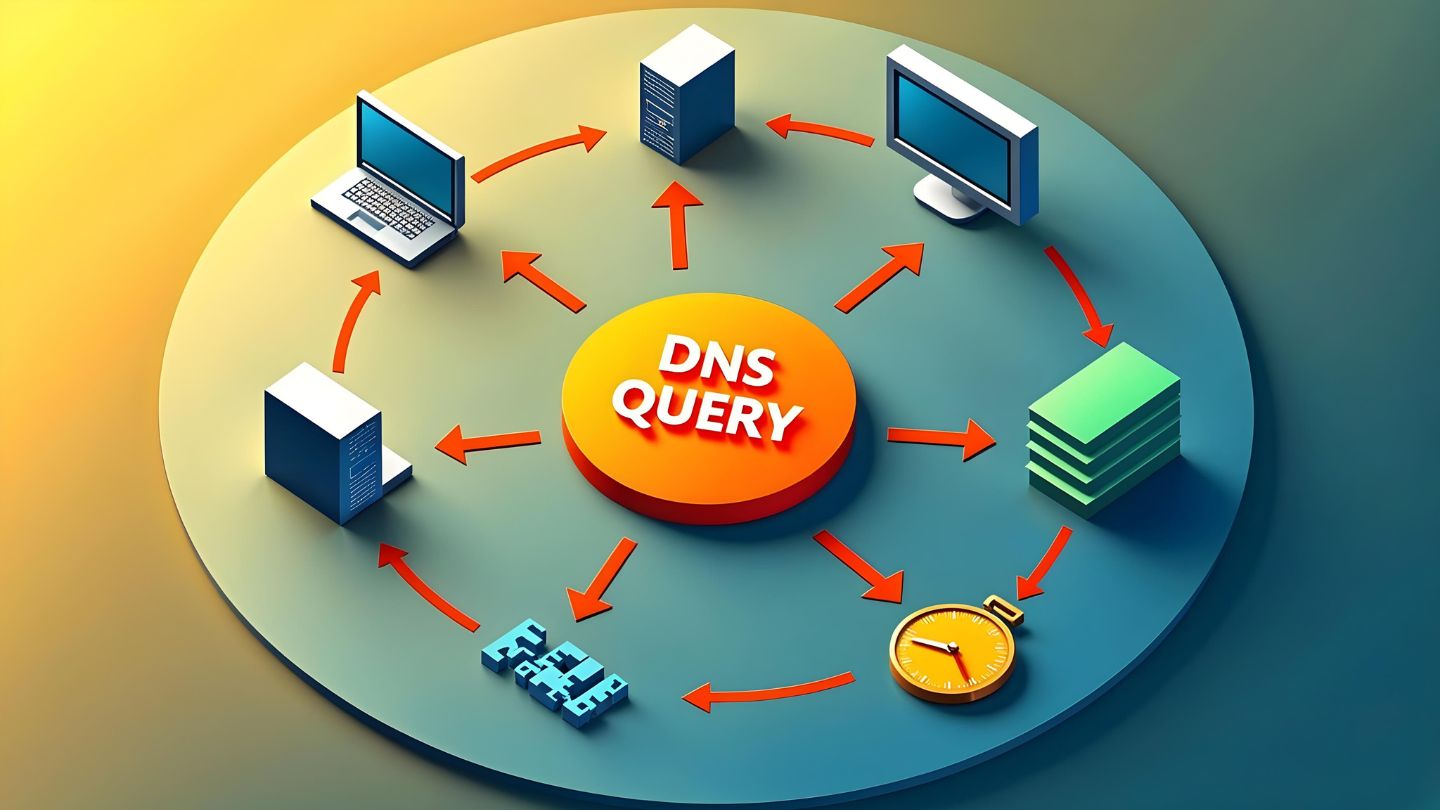
DNS : The Internet’s Phonebook
DNS (Domain Name System) exists to solve a simple problem:
computers understand IP addresses, but humans remember names.
For example:
Humans type
google.comComputers need something like
142.250.190.14
DNS is the system that translates domain names into IP addresses. This process is called name resolution.
Without DNS, we would have to remember numeric IP addresses for every website we visit. DNS acts like the phonebook of the internet, mapping names to numbers.
Why Name Resolution Exists
Name resolution exists because:
Domain names are easy for humans to remember
IP addresses are required for network communication
IP addresses can change, but domain names usually do not
DNS allows websites to move servers or change infrastructure without users noticing, which is critical for scalability and system design.
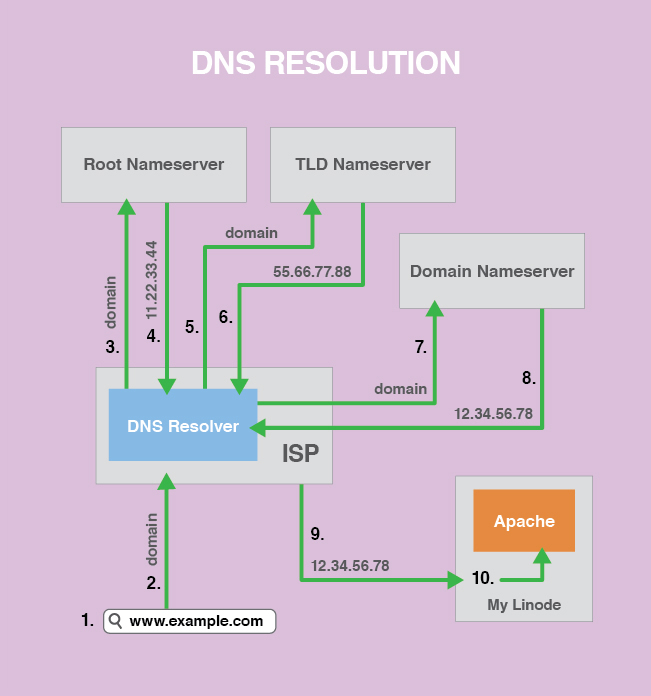
What Is the dig Command?
dig stands for Domain Information Groper.
It is a command-line tool used to:
Query DNS servers directly
Inspect DNS records
Debug DNS issues
Understand how DNS resolution works behind the scenes
While browsers perform DNS resolution automatically, dig allows us to see each step explicitly.
DNS Resolution Happens in Layers
DNS resolution is hierarchical. It happens in layers:
Root name servers
Top-Level Domain (TLD) name servers
Authoritative name servers
Each layer knows only part of the answer and points to the next layer.
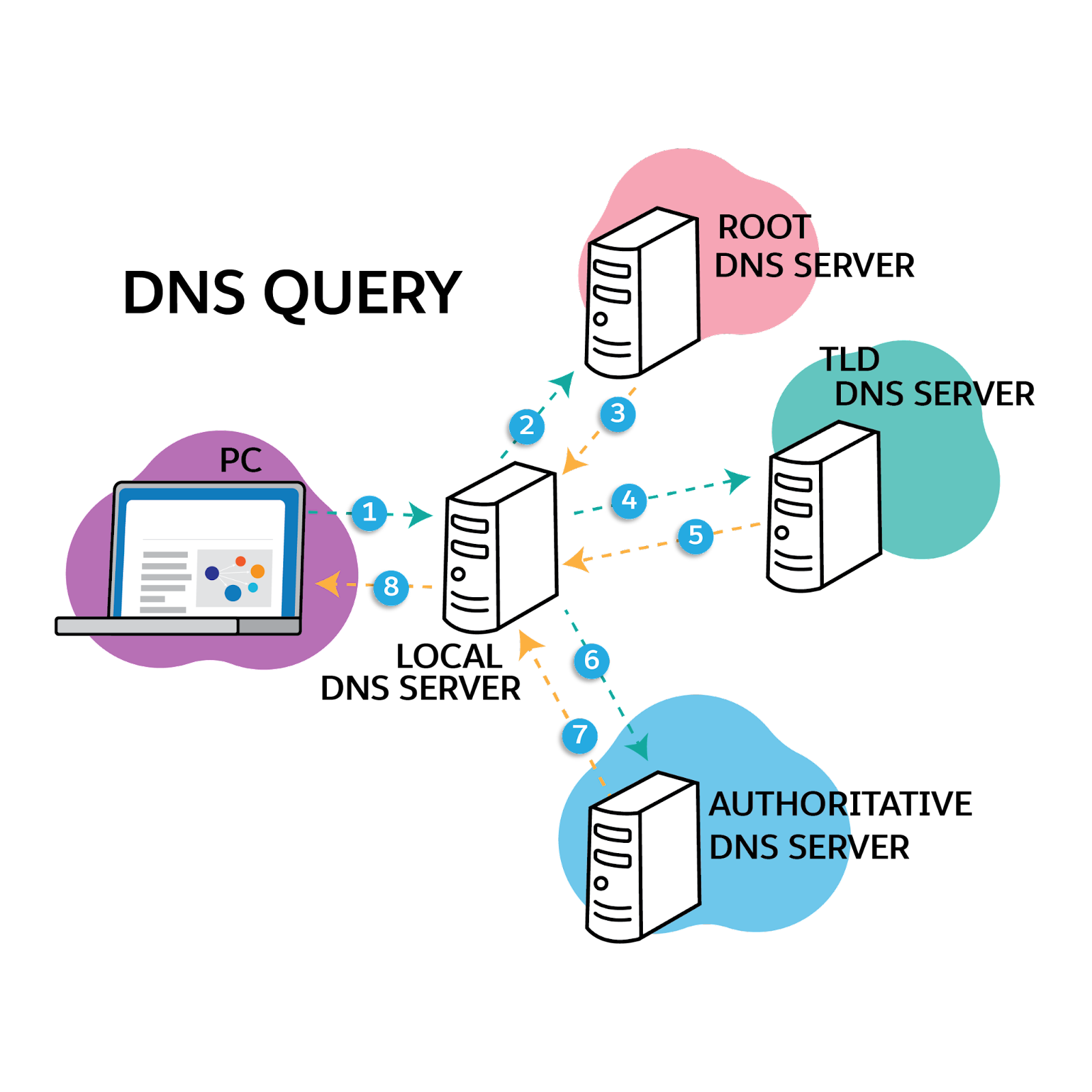
dig . NS — Root Name Servers
dig . NS
This query asks:
“Who manages the root of the DNS system?”
What this means:
The dot (
.) represents the DNS rootThe output lists root name servers (like
a.root-servers.net)
Why this matters:
Root servers do not know IP addresses for websites
They only know where TLD name servers are
They are the starting point of all DNS resolution
Think of root servers as the master directory of the internet.
dig com NS — TLD Name Servers
dig google.com NS
his query asks:
“Who is authoritative for
google.com?”
What this means:
The response shows Google’s authoritative name servers
These servers store the actual DNS records for the domain
Why this matters:
Authoritative servers give final, trusted answers
They know A, AAAA, MX, TXT, and other records
At this point, DNS resolution has reached the source of truth.
dig google.com — Full DNS Resolution Flow
dig google.com
This query asks:
“What is the IP address for google.com?”
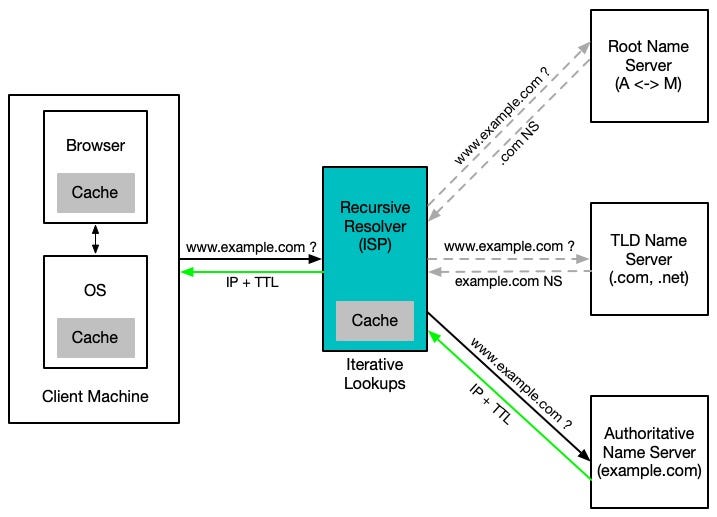
Behind the scenes, this happens:
The resolver checks its cache
If not found, it queries a root server
Root server responds with
.comname serversResolver queries a .com TLD server
TLD server responds with Google’s authoritative servers
Resolver queries the authoritative server
The IP address is returned and cached
All of this usually happens in milliseconds.
The dig output usually shows the final answer, but all these steps happen automatically unless cached.
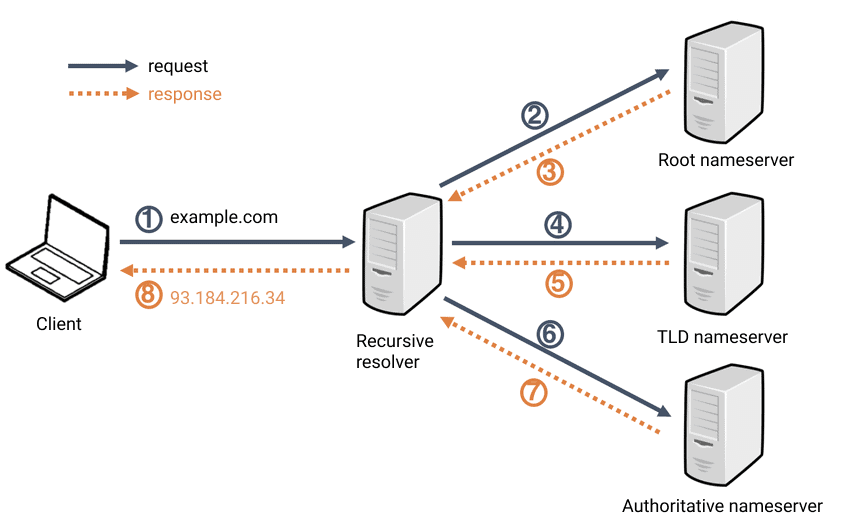
Role of NS Records in DNS
NS (Name Server) records define:
Who is responsible for a domain or zone
Where DNS queries should be sent next
Every level of DNS relies on NS records:
Root → TLD
TLD → Domain
Domain → Subdomains
Without NS records, DNS delegation would not work.
Role of Recursive Resolvers in Real Systems
Recursive resolvers are used by:
Operating systems
Browsers
ISPs
Cloud providers
Their responsibilities include:
Performing DNS resolution on behalf of users
Following the DNS hierarchy correctly
Caching results to improve speed
Reducing load on root and TLD servers
From a system-design perspective, recursive resolvers are critical performance components.
Connecting dig to Real Browser Requests
When you type google.com into a browser:
The browser does not contact root servers directly
It asks a recursive resolver
The resolver performs the full lookup
The browser receives an IP address
A TCP/TLS connection is established
DNS resolution is the first dependency of almost every internet request.
dig simply makes this invisible process visible, which is why it is a powerful learning and debugging tool.
Why This Matters in System Design
Understanding DNS helps you:
Design reliable services
Debug production issues
Configure global systems
Reason about latency and failures
DNS is not just a networking concept - it is a core infrastructure dependency.
Conclusion
DNS translates human-readable domain names into IP addresses that computers can use
Name resolution exists to keep the internet flexible, scalable, and easy to use
DNS resolution happens in layers: root → TLD → authoritative name servers
NS records define delegation and determine which servers are responsible at each layer
The
digcommand helps visualize and debug each step of DNS resolutionRecursive resolvers perform these lookups behind the scenes and cache results
Browsers rely on this process to locate servers before any web request is made
Understanding DNS resolution is essential for troubleshooting, system design, and reliable internet services
I hope you found this article helpful. If you have any questions or feedback, please feel free to leave a comment below. If you found this article valuable, please like and share it.


